
Maile Sakamoto (Producer)
Norah Hahn (Programmer)
Hookeye is a horror fishing game where you use the fish you catch as bait.


Most fishing games available today are either simulators or minigames.
We want to change that.
Hookeye is a horror fishing game where you use the fish you catch as bait.
Your goal is to catch the ever-elusive siren, taking huge risks for even bigger rewards (or losses). However, not is all as it seems as the fish begin to talk and resources become scarcer. Caught in this loop, you descend into madness.
Early Development
Visual Development
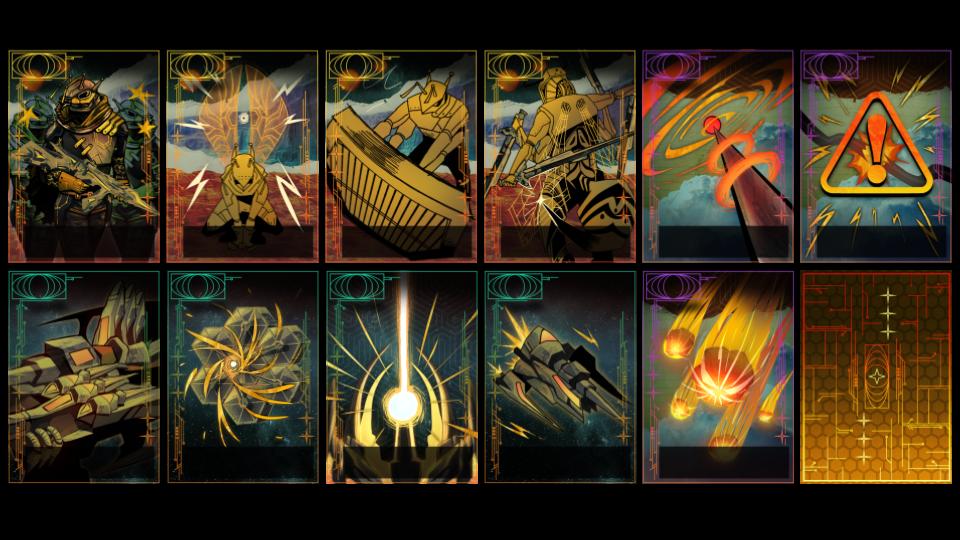
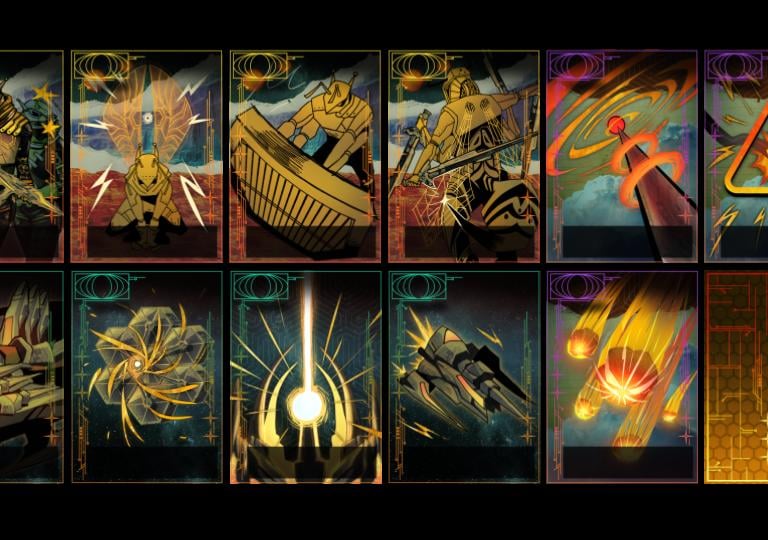
Art Creation and Final
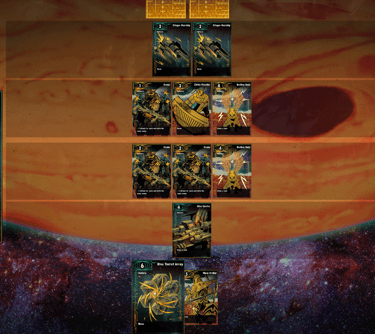
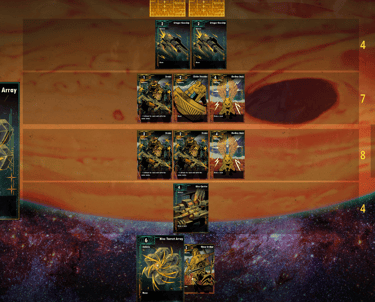
Final Product, Trailer (WIP)
Jump to section:
Design
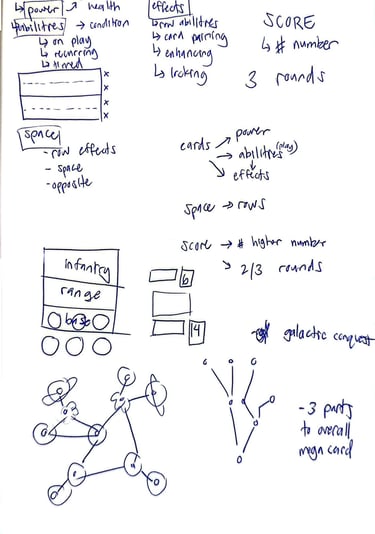
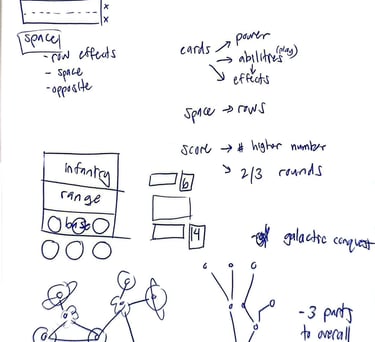
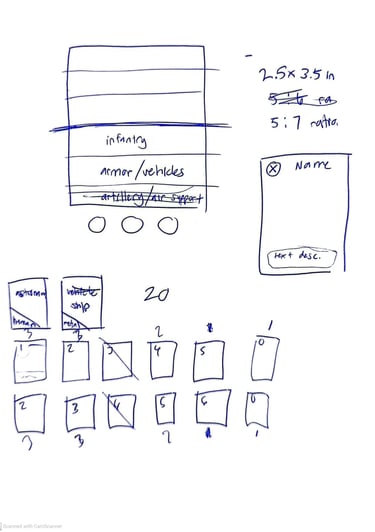
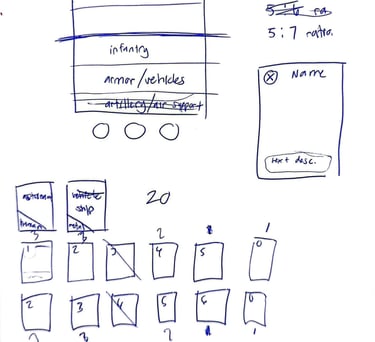
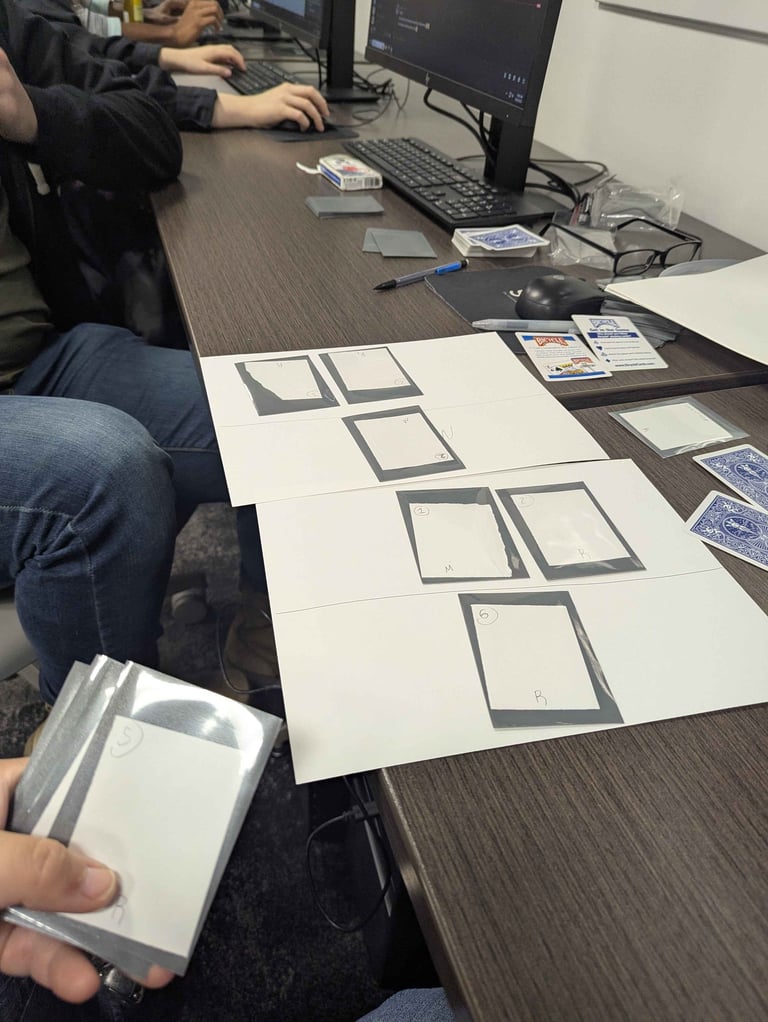
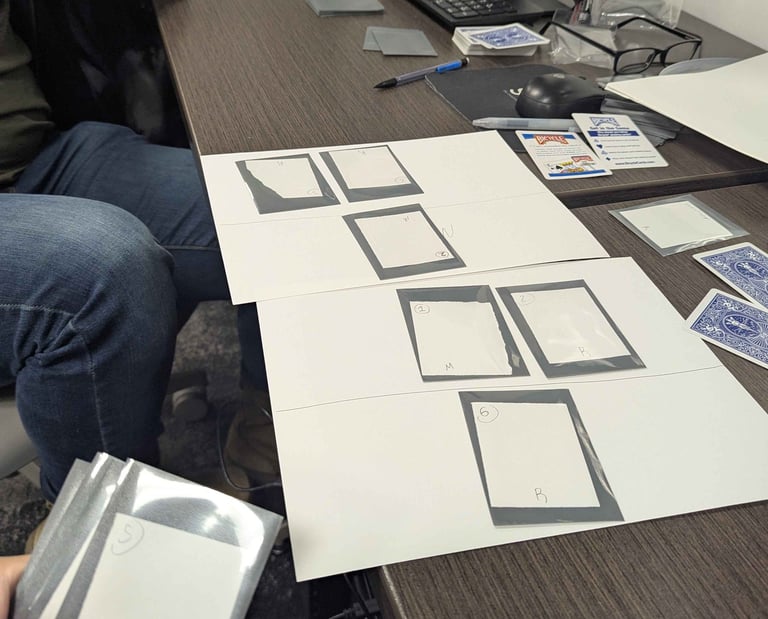
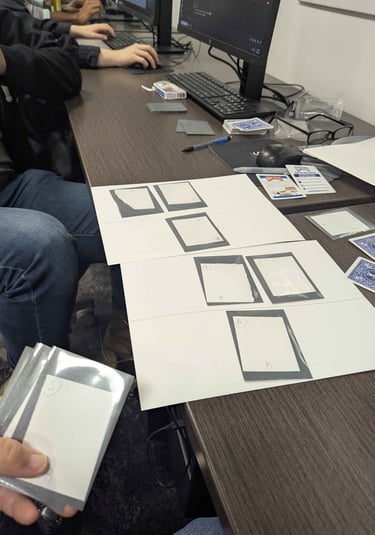
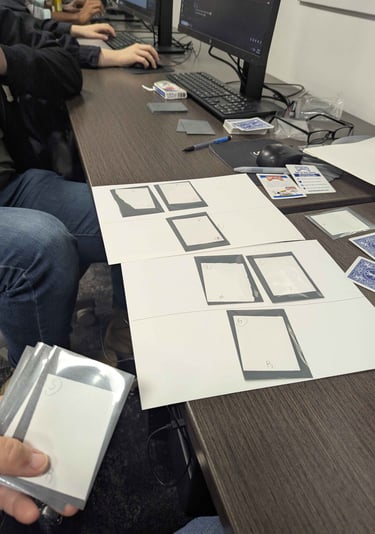
Based on these, we made a quick physical test deck (with cards we planned out on left paper) and played some rounds to figure out the full scope of our deck.
Visual Development
The themes of our game so far worked around space and warfare technology. My art style typically strays from such, so the first question I asked was, "How do I bridge my art style with the current themes?"
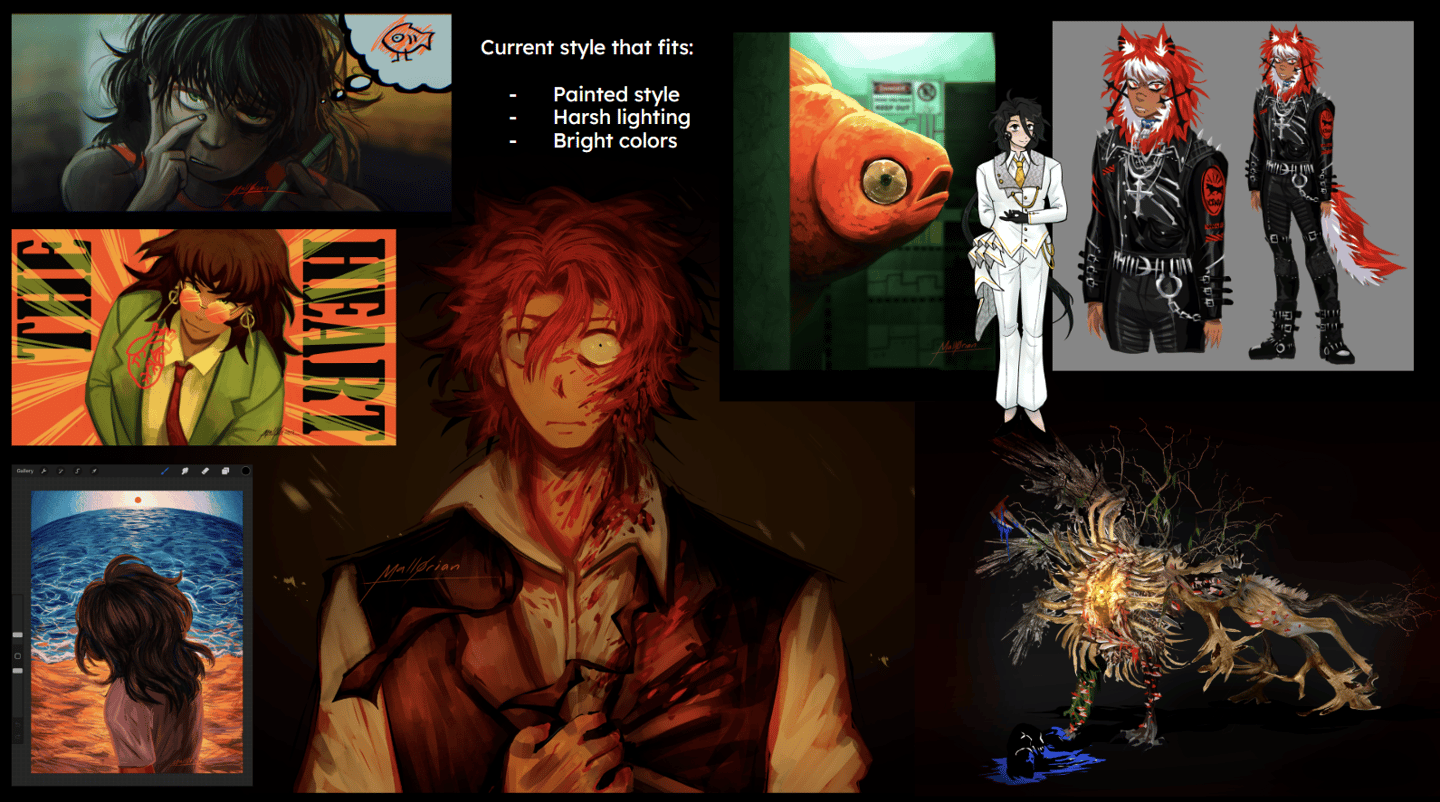
As I tend to experiment with my art style and processes, I created a moodboard for certain pieces that could be applied. This mostly included painterly/rendered styles with harsh lighting and bright colors, particularly with a warmer color palette.
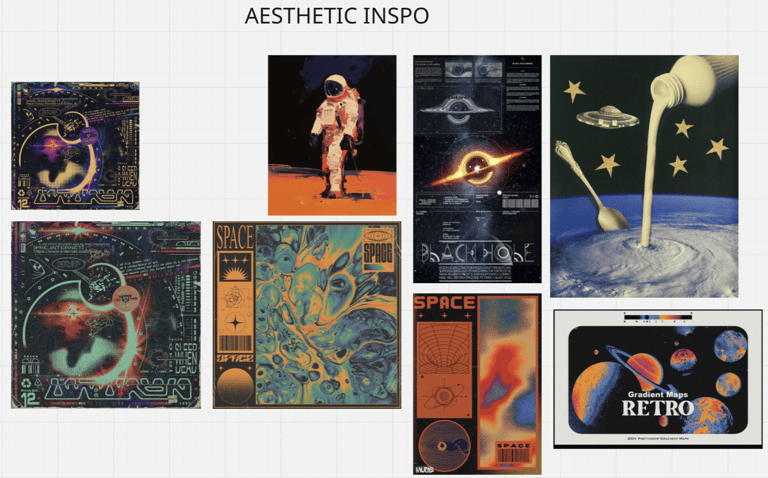
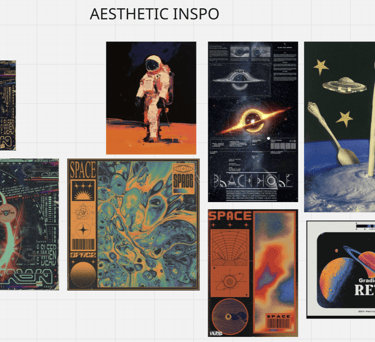
From there, I assembled a moodboard of similar aesthetics to my defined style. This included a retro-style space aesthetic with collage elements, which laid the groundwork for experimentation.
Moodboard
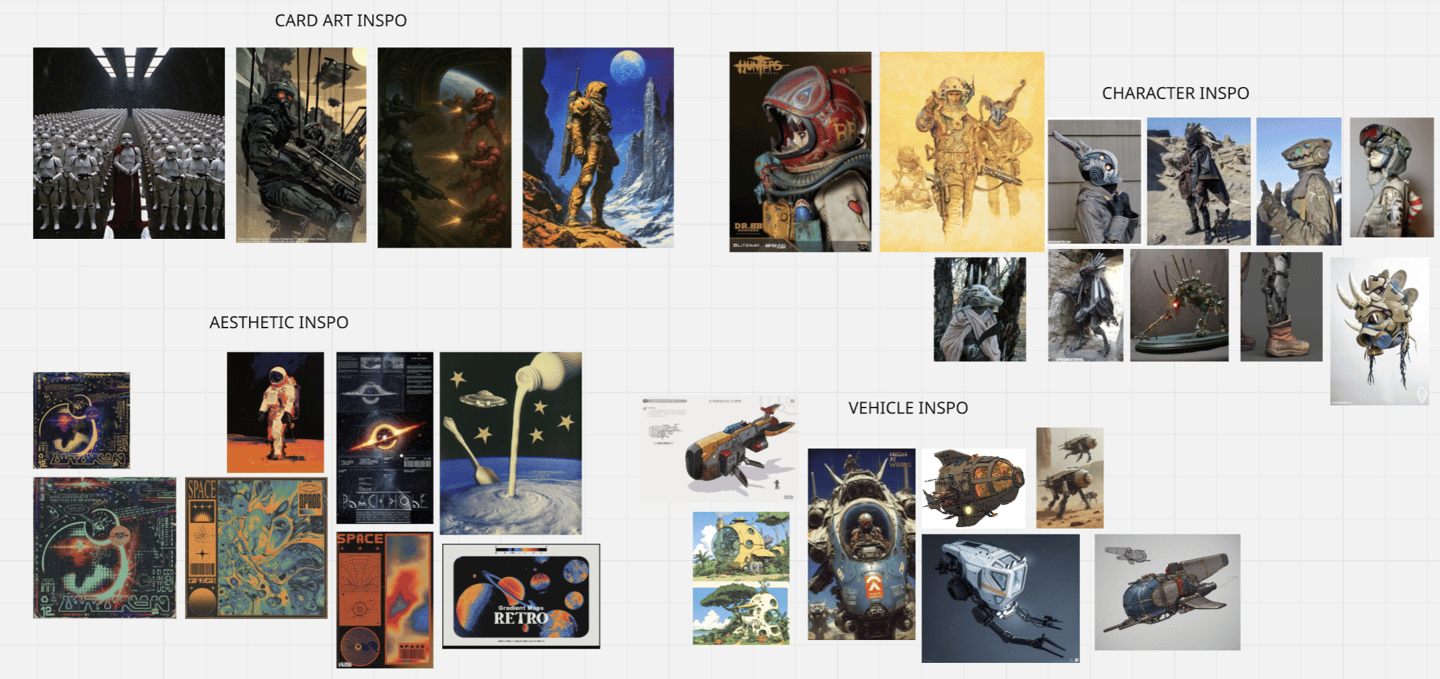
My art style is stronger with biomorphic forms, so I discovered some interesting heavy gear with animal motifs inspirations. The idea of limited resources for living things helps push the feeling of desolation. I also analyzed some art I thought worked great compositionally for cards.
Card Process Development
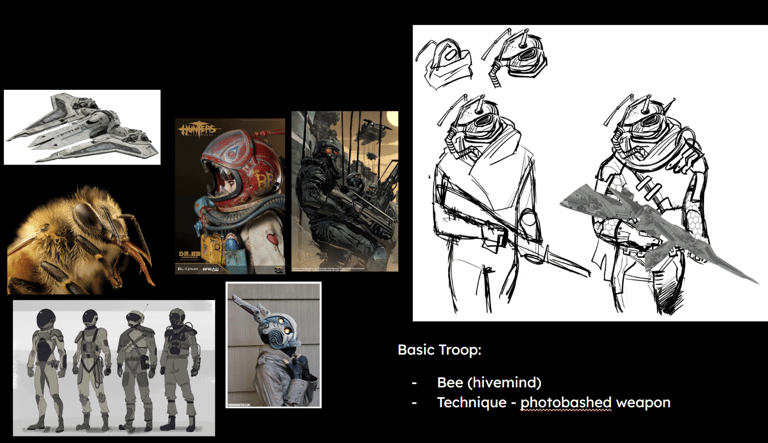
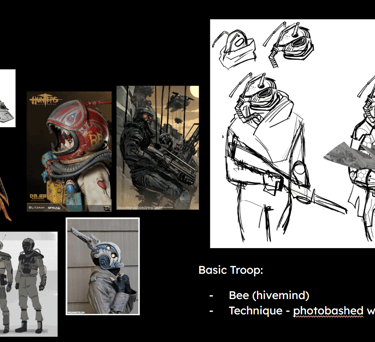
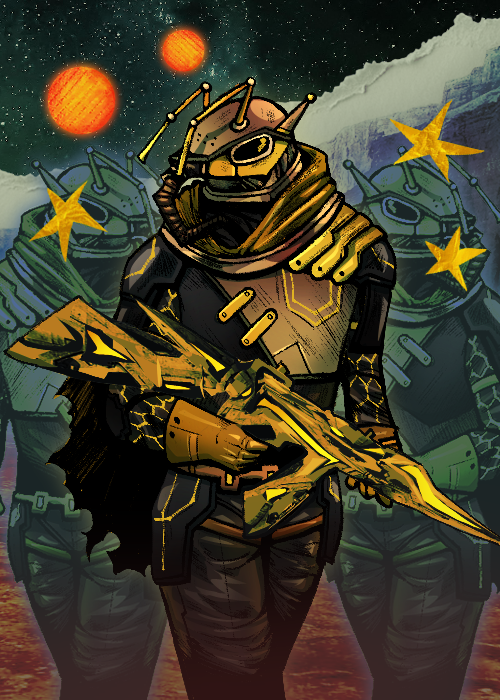
From the moodboard, I took select inspiration to develop a single card all the way to finish. Once I had a sketch, I referenced a rendering process of one of my past pieces, graphical elements for the card border, and the lighting and composition of the art.
I also tested different processes for doing line art to account for balancing time and quality in the process. The 3hr line art was done tracing over the sketch, the 1hr line art was done subtractive-ly with an eraser.
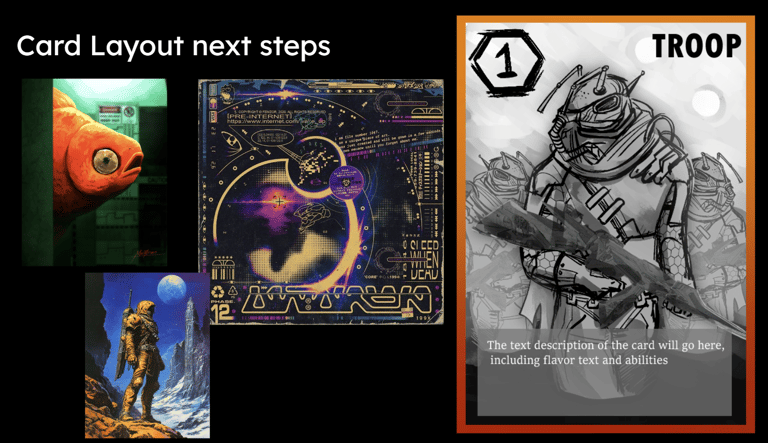
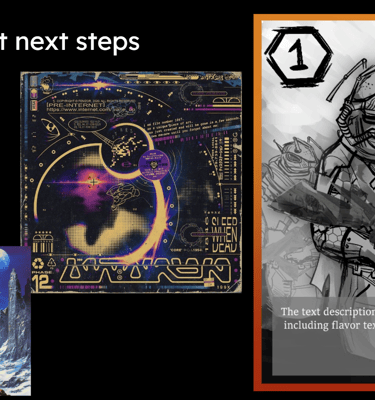
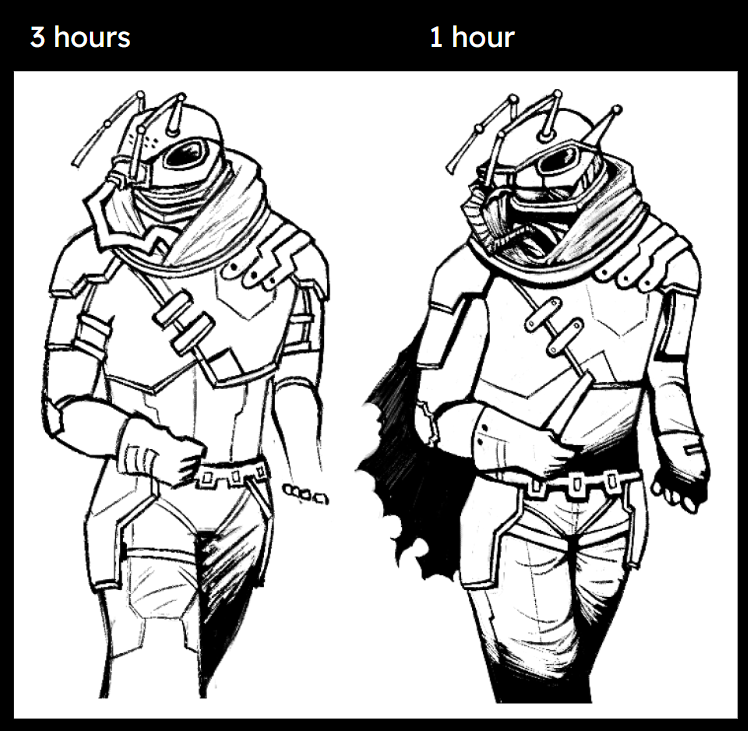
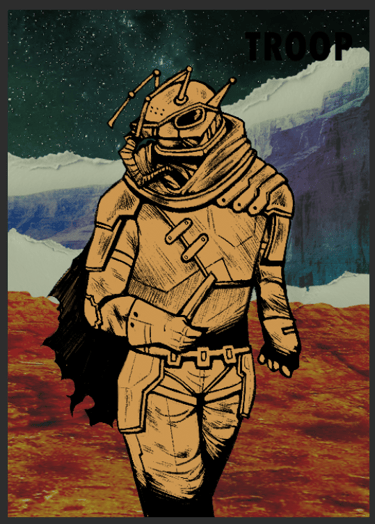
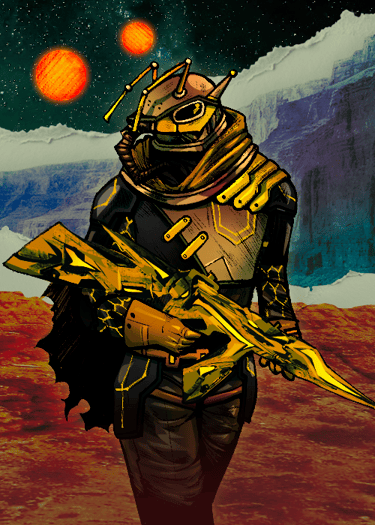
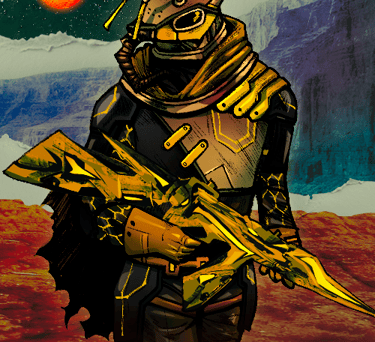
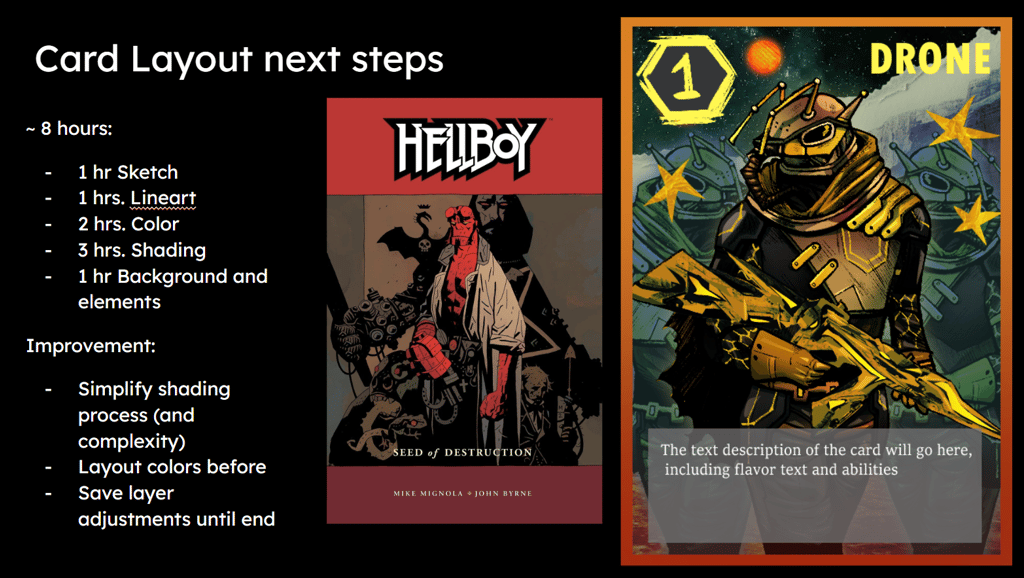
Once I had the finished product, I took a step back to analyze the workflow. The card took me 8 hours total, with shading taking the most time.
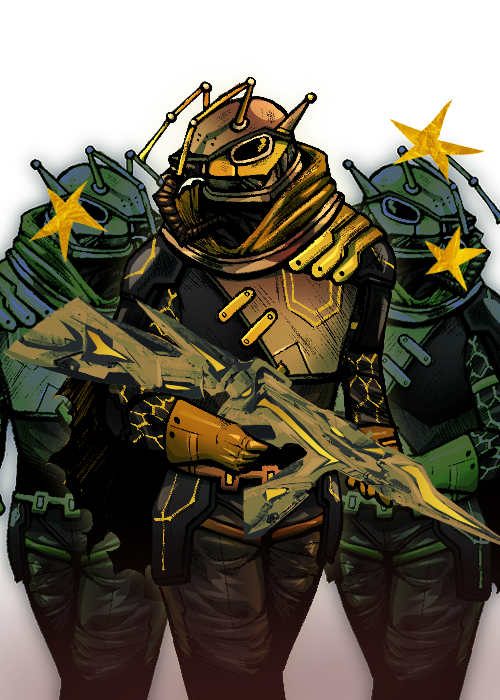
As feedback, David suggested analyzing the work of Mike Mignola, whose art style is bold and graphical, but simple with little to no shading. I applied this artstyle to the cards I developed moving forward.
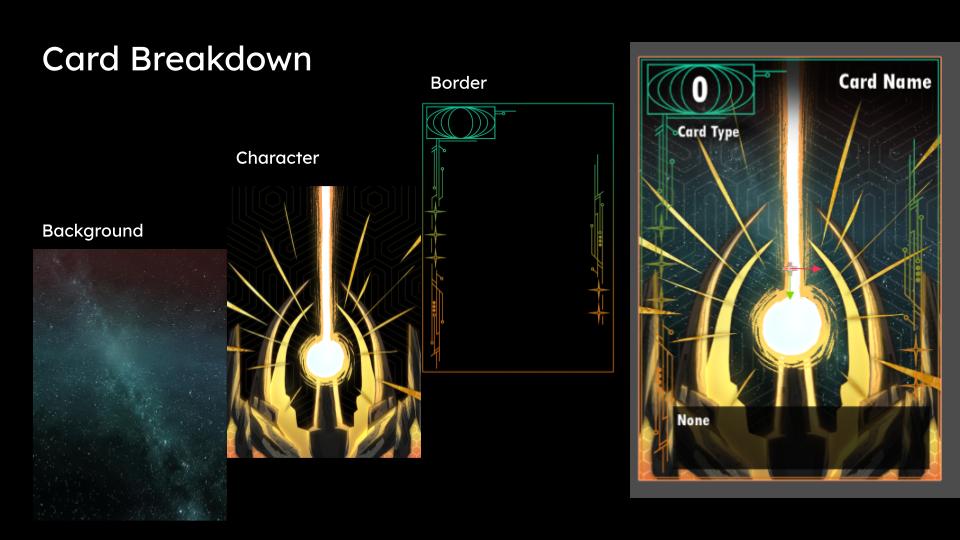
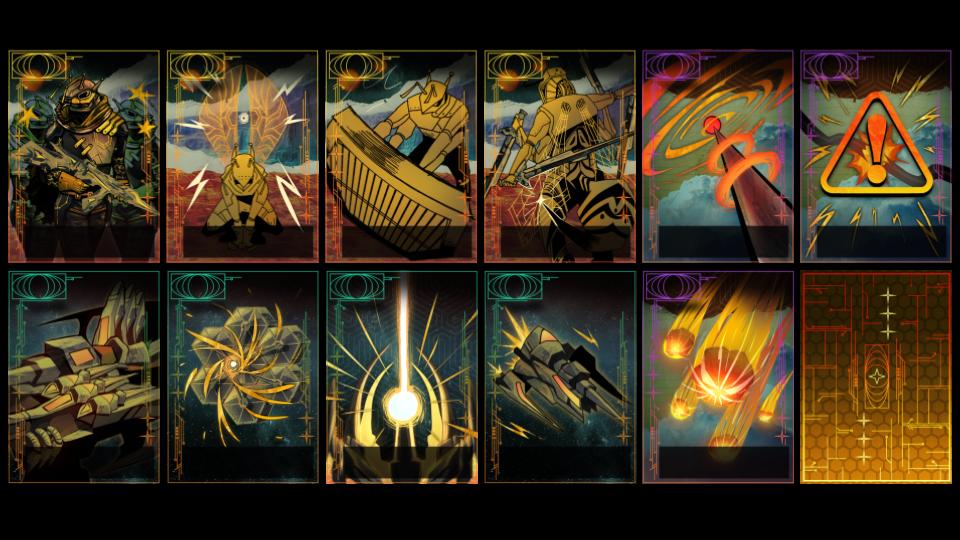
Streamlining the process of creating cards was essential, as I had to complete 12 cards within 2 weeks time IN ADDITION to all other supporting art. It was also important to maintain consistency, clarity, and modularity for easier implementation into the project.
Art Creation
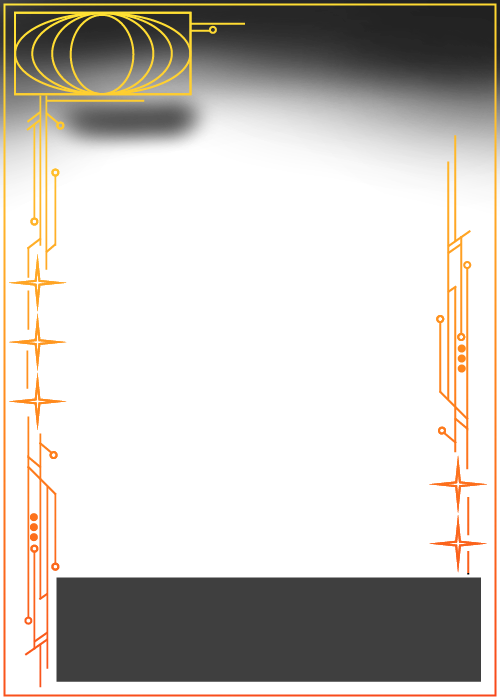
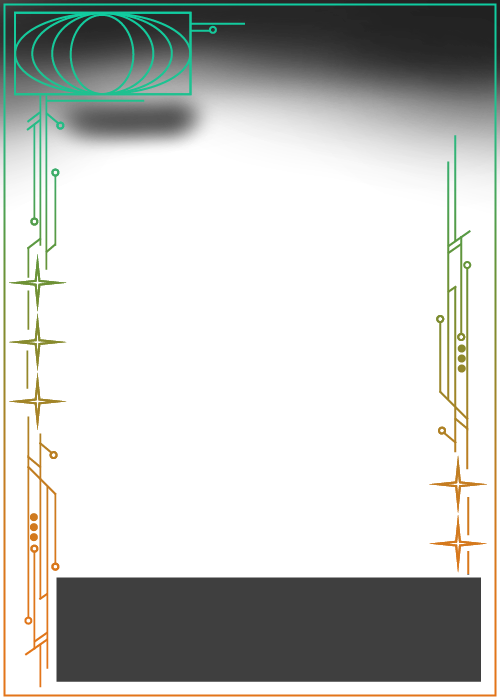
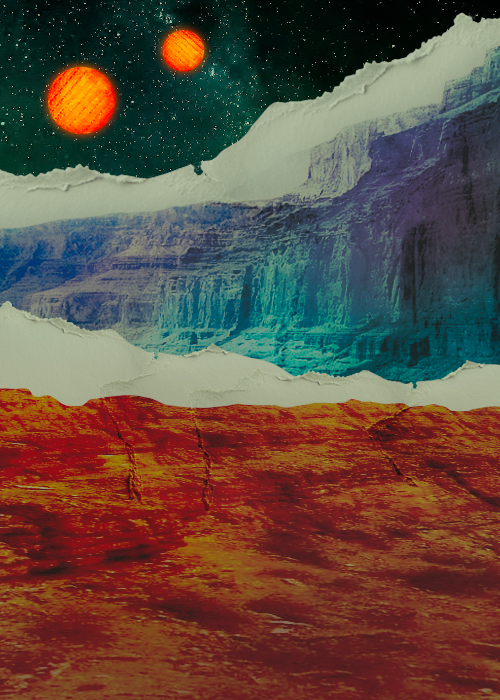
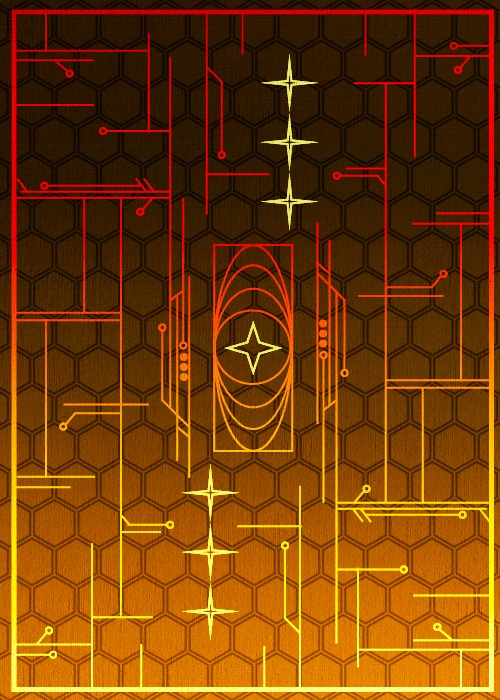
I approached this again with a mindset of "measure twice, cut once". Before I got into drawing each card art, I spent some time finalizing the card borders and backgrounds, which I later used in my Clip Studio file to ensure each character didn't clash with the colors and patterns.
Infantry
Vehicle
Hazard
Deck Back
With this, I set a timer for 30 minutes, put some music on, and got drawing!
Infantry
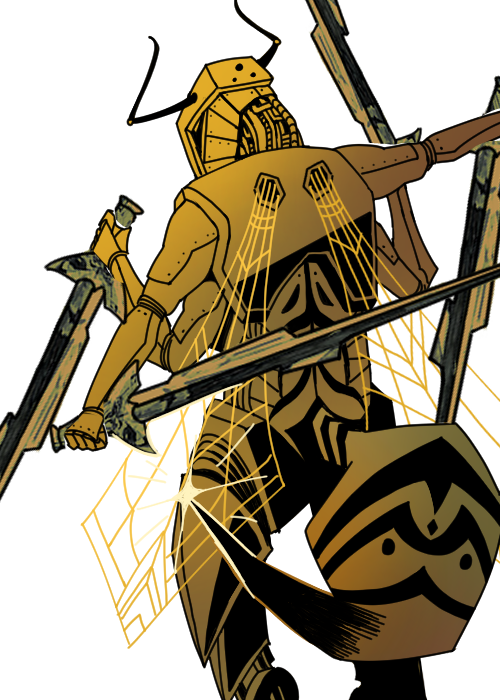
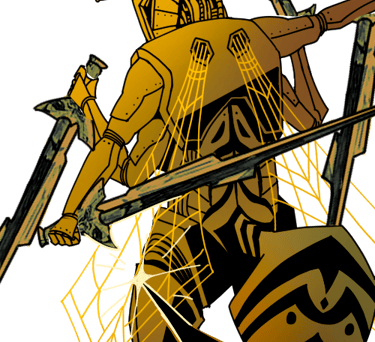
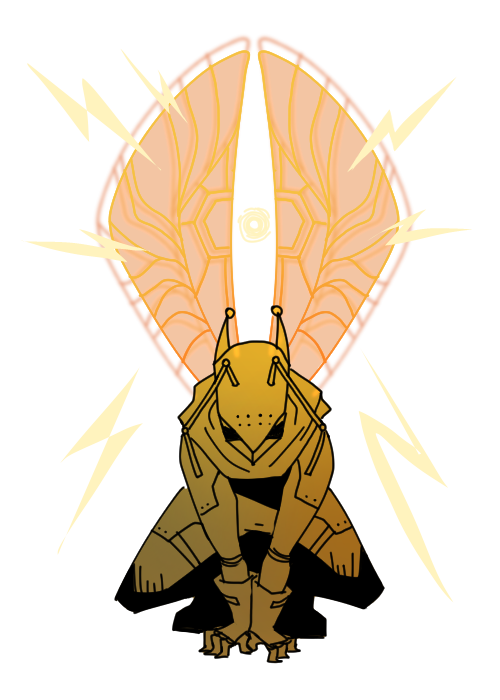
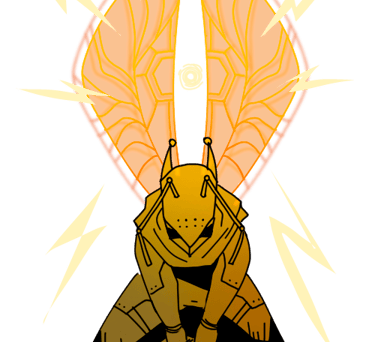
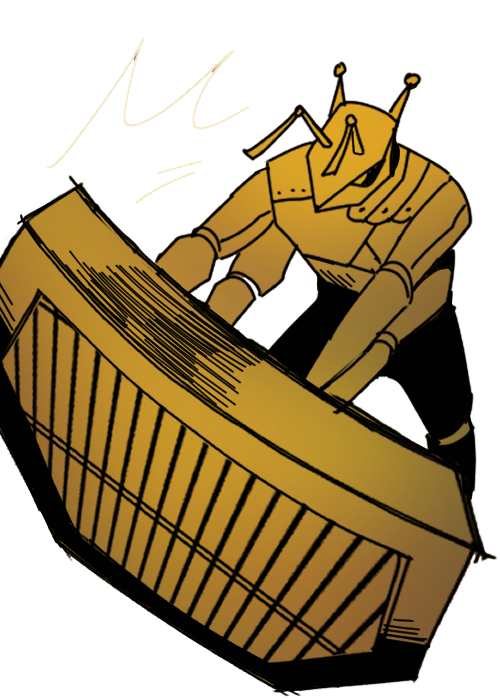
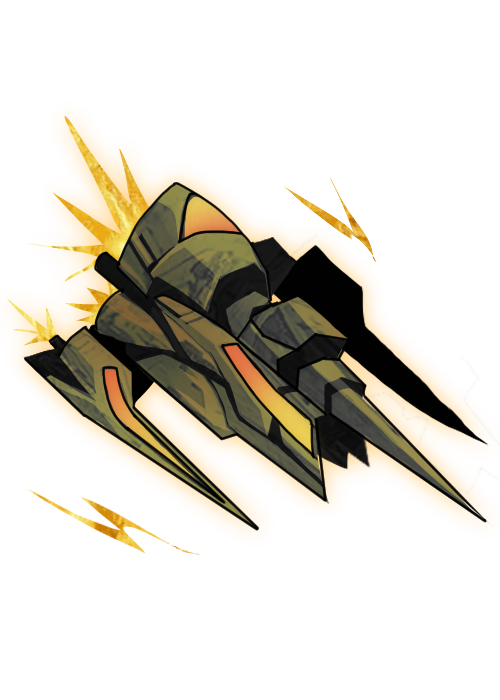
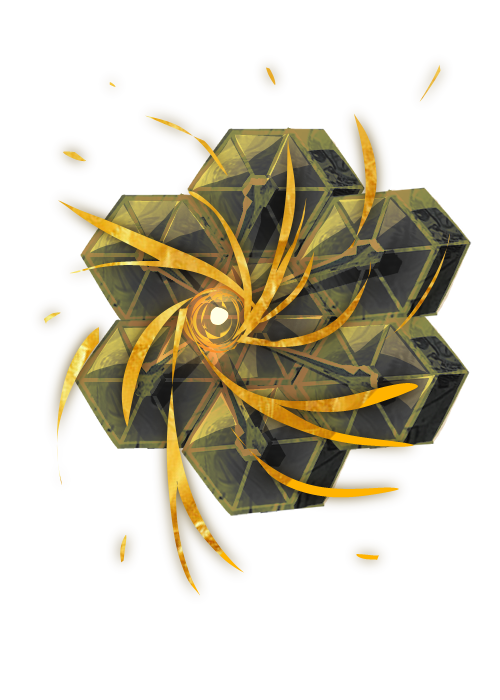
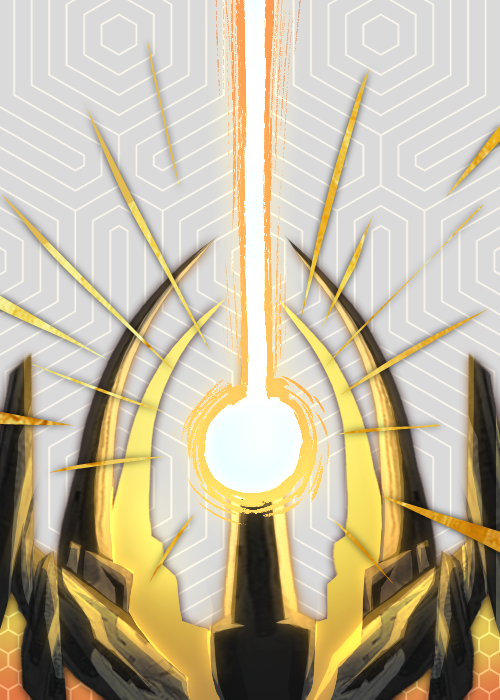
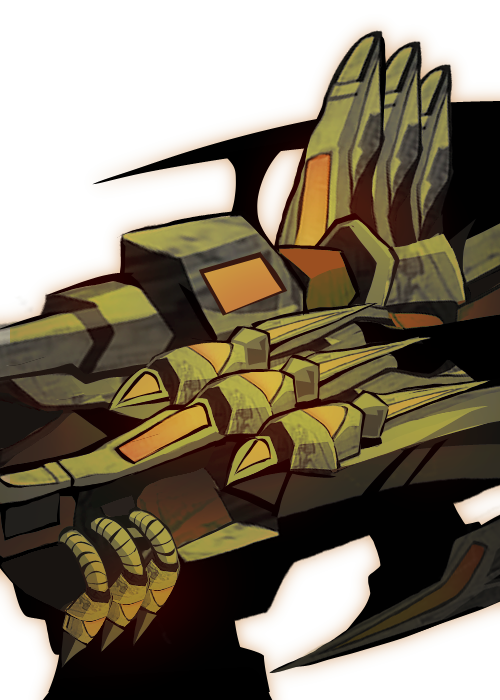
Drone
Wasp Striker
Backup Buzz
Chiton Shielder
Vehicle
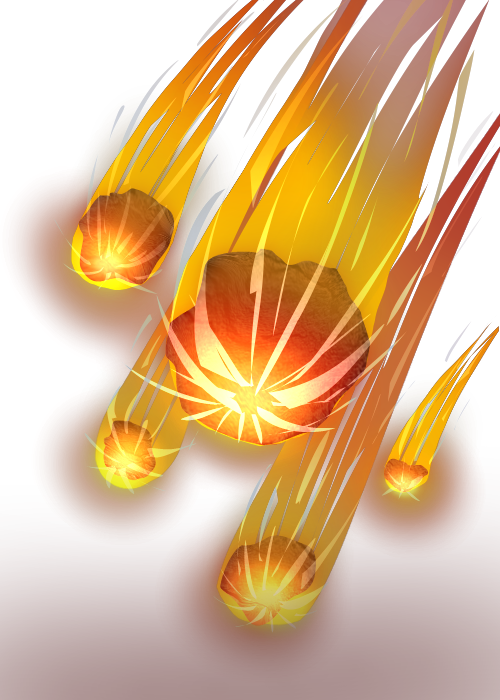
Stinger Artillery
Hive Turret
Heat Death
Hive Carrier
Hazard
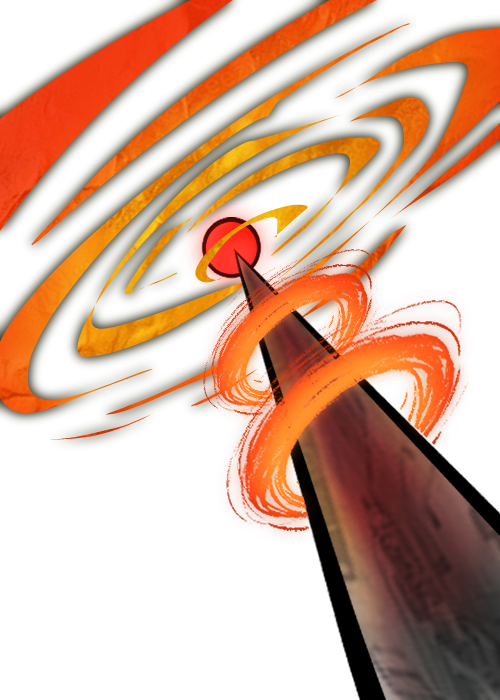
Stinger Artillery
Stinger Artillery
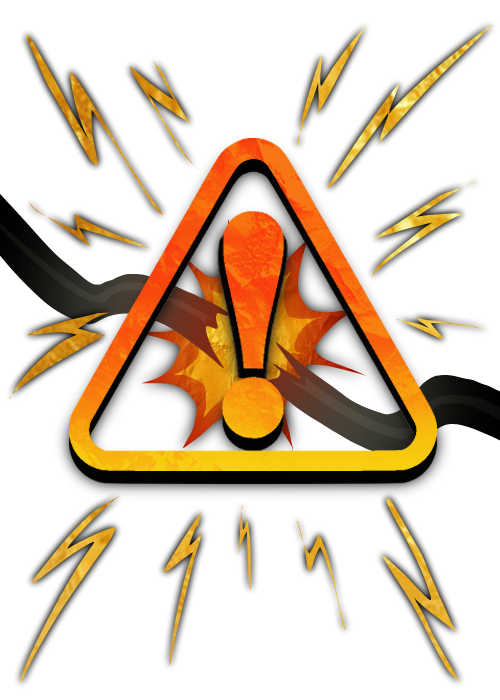
System Override
Implementation
Board
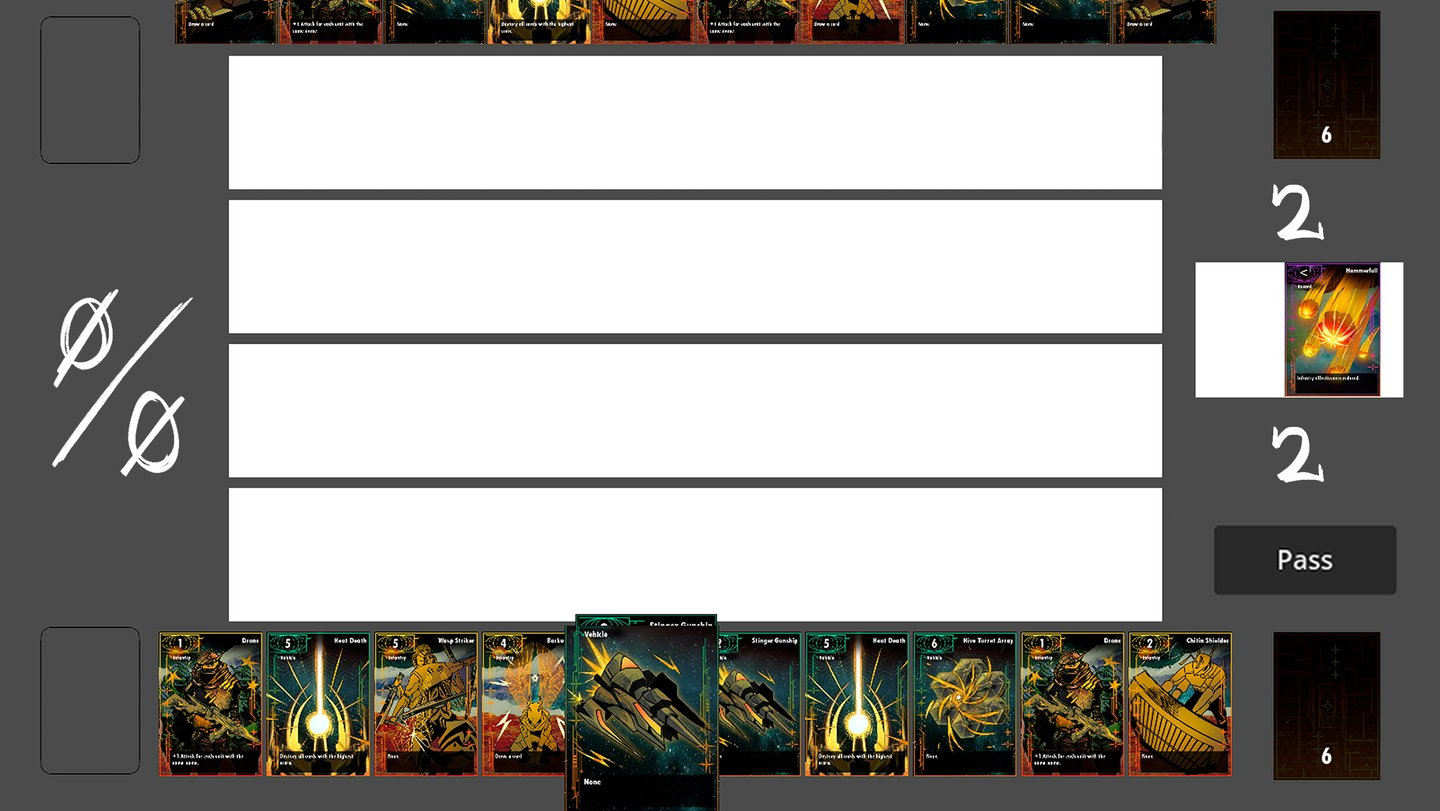
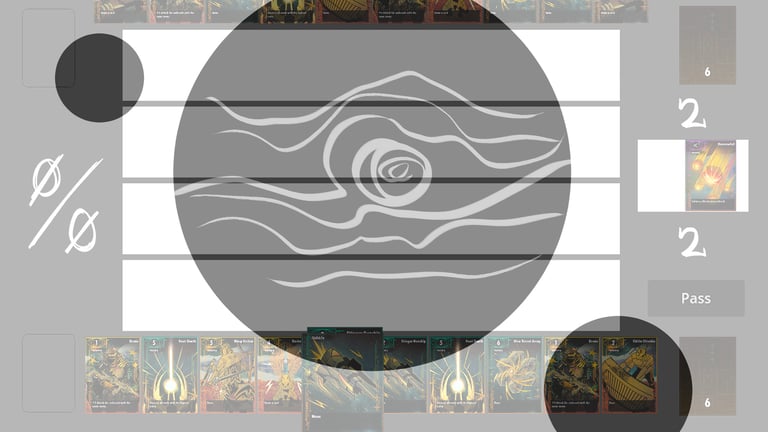
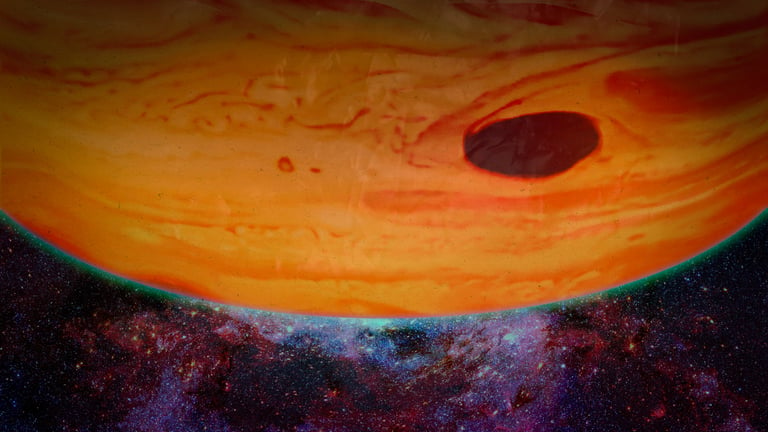
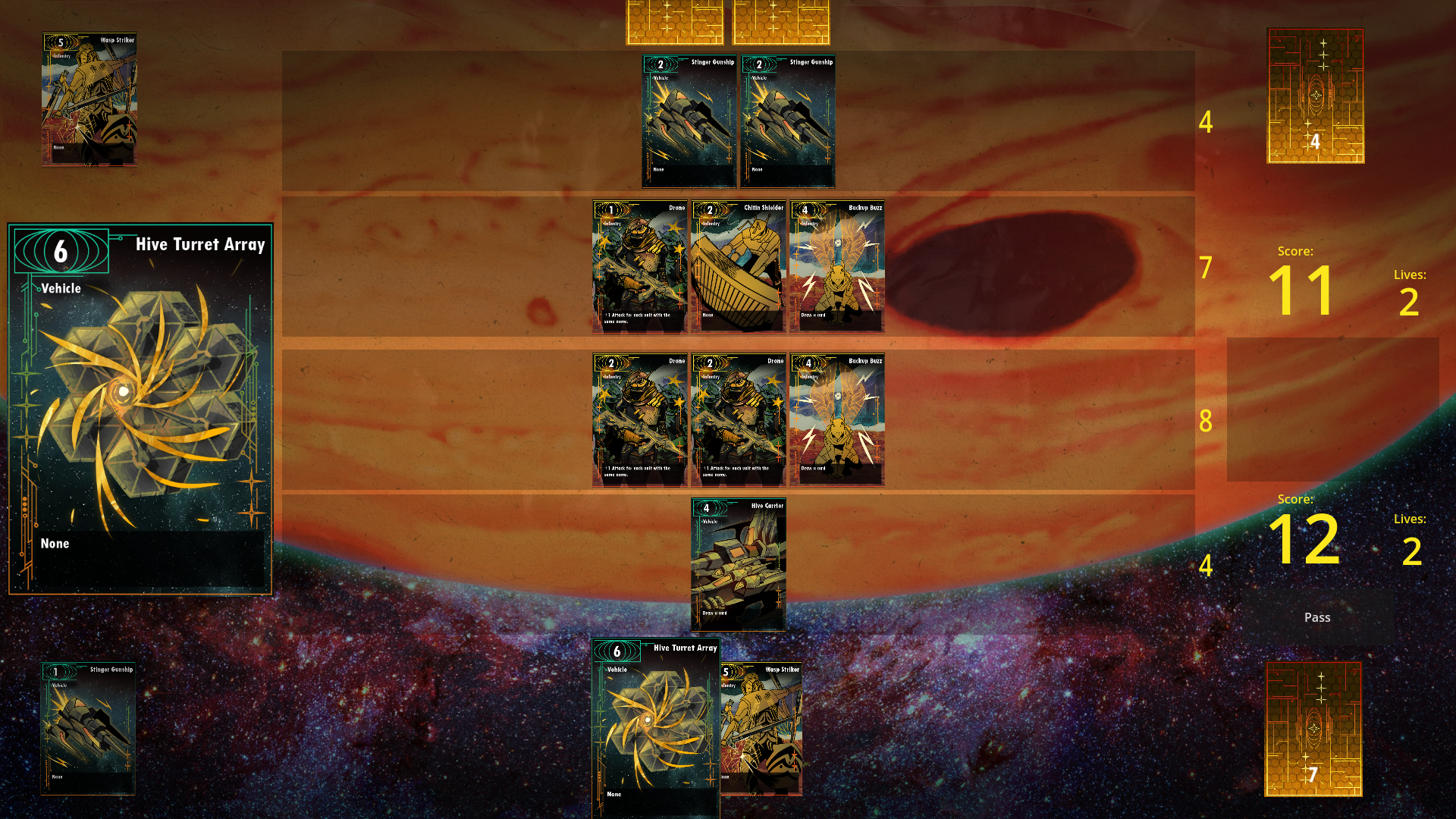
David sent me a screenshot of the game, which I drew over to alter the layout. I sketched out thumbnails and iterated with feedback.
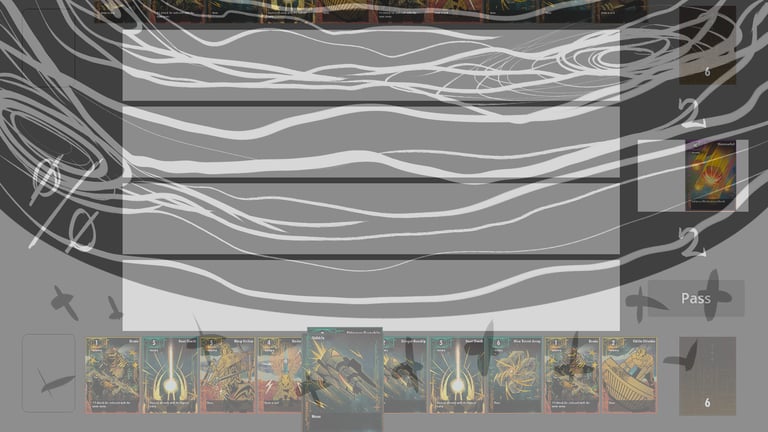
Final Layout
Screens
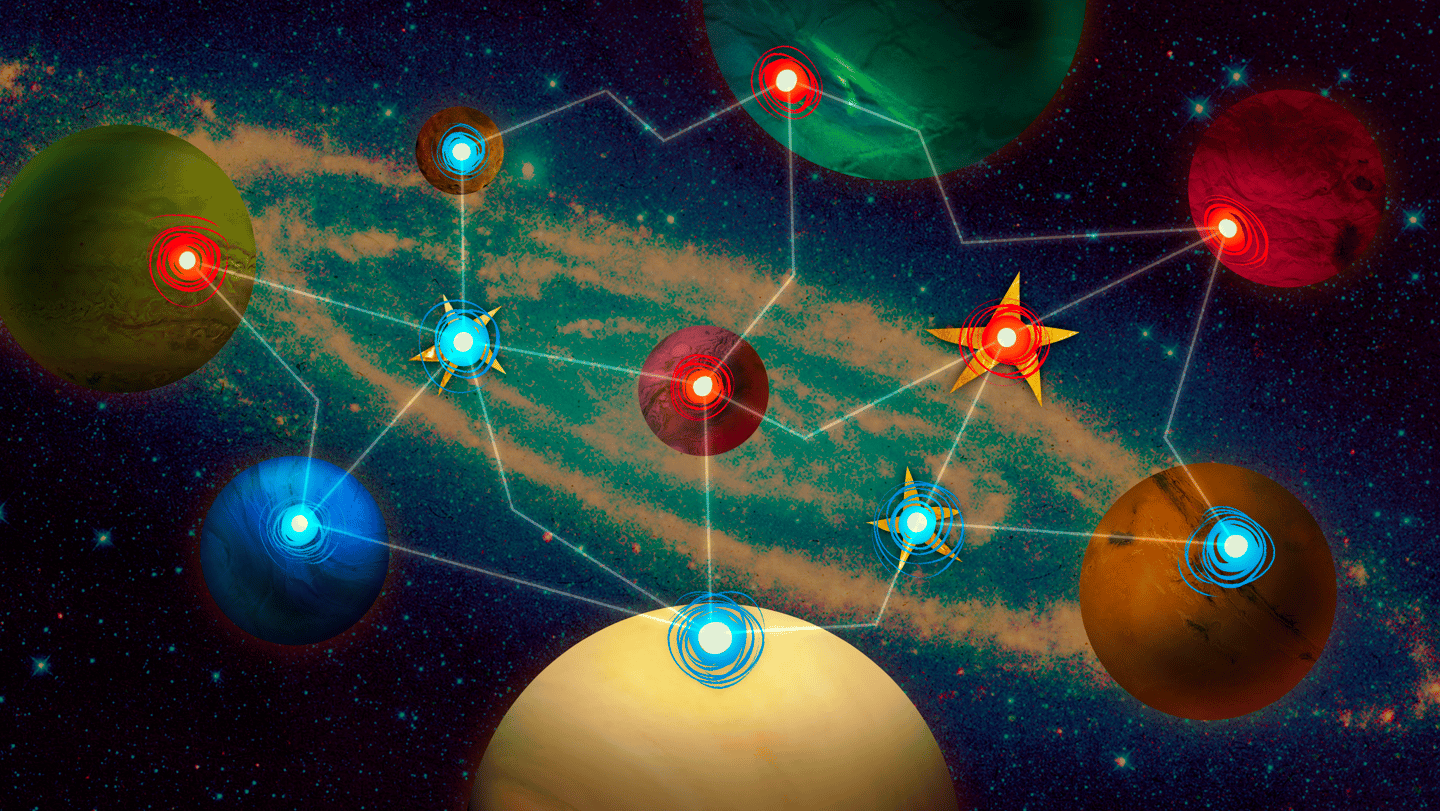
Other supplemental art, I ensured to use a non-destructive process so that I could send the layered pieces individually upon request.
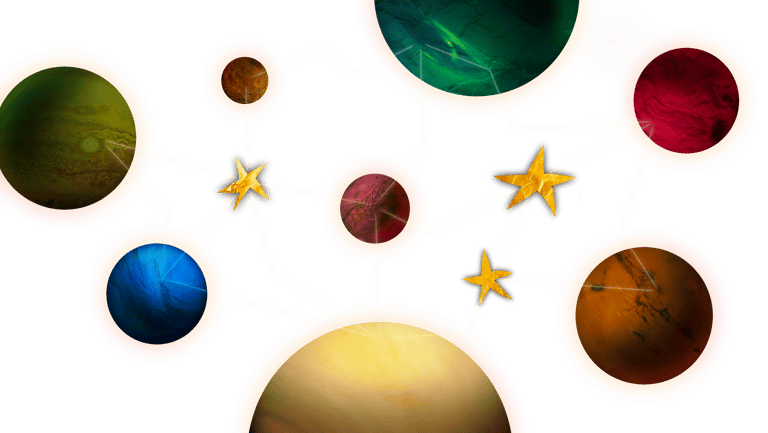
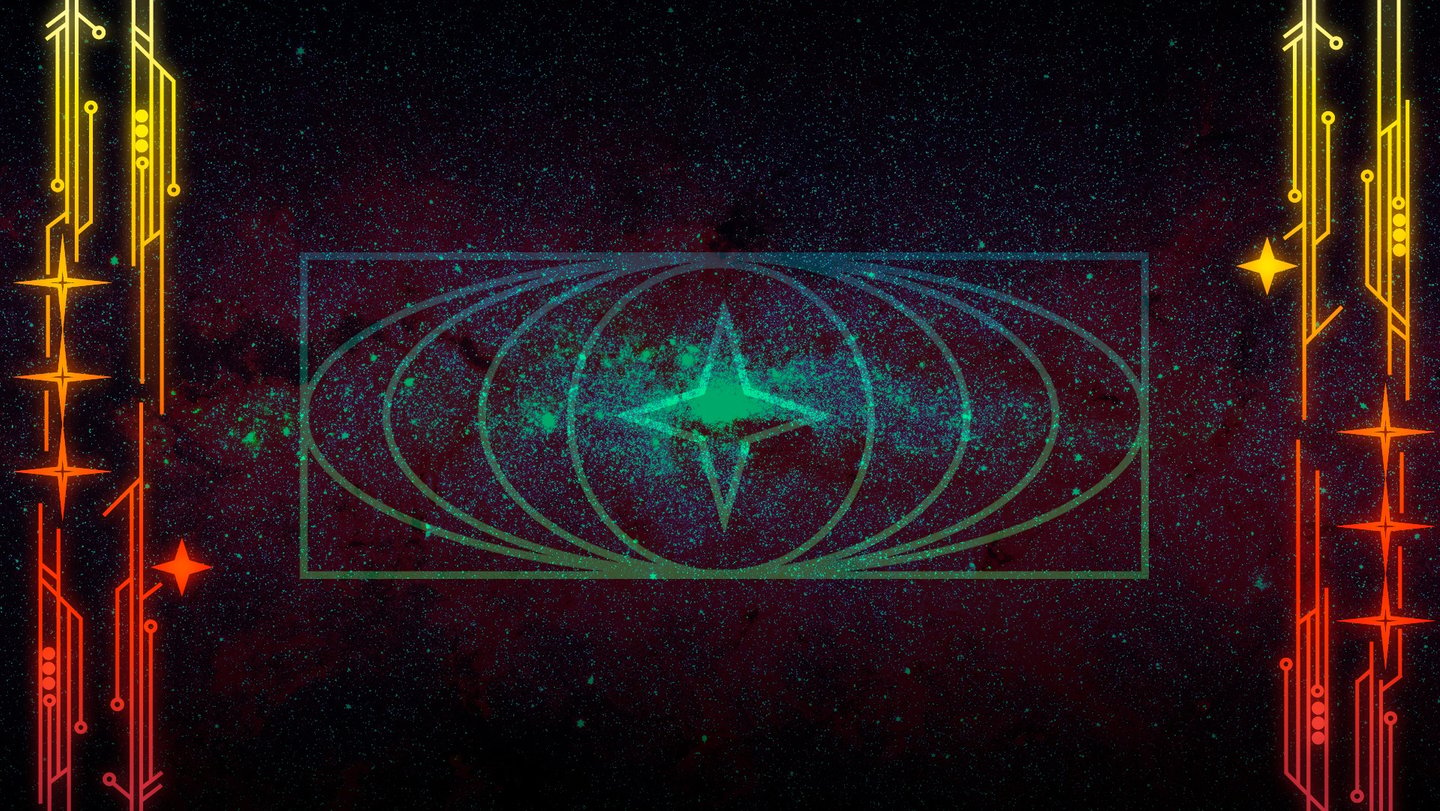
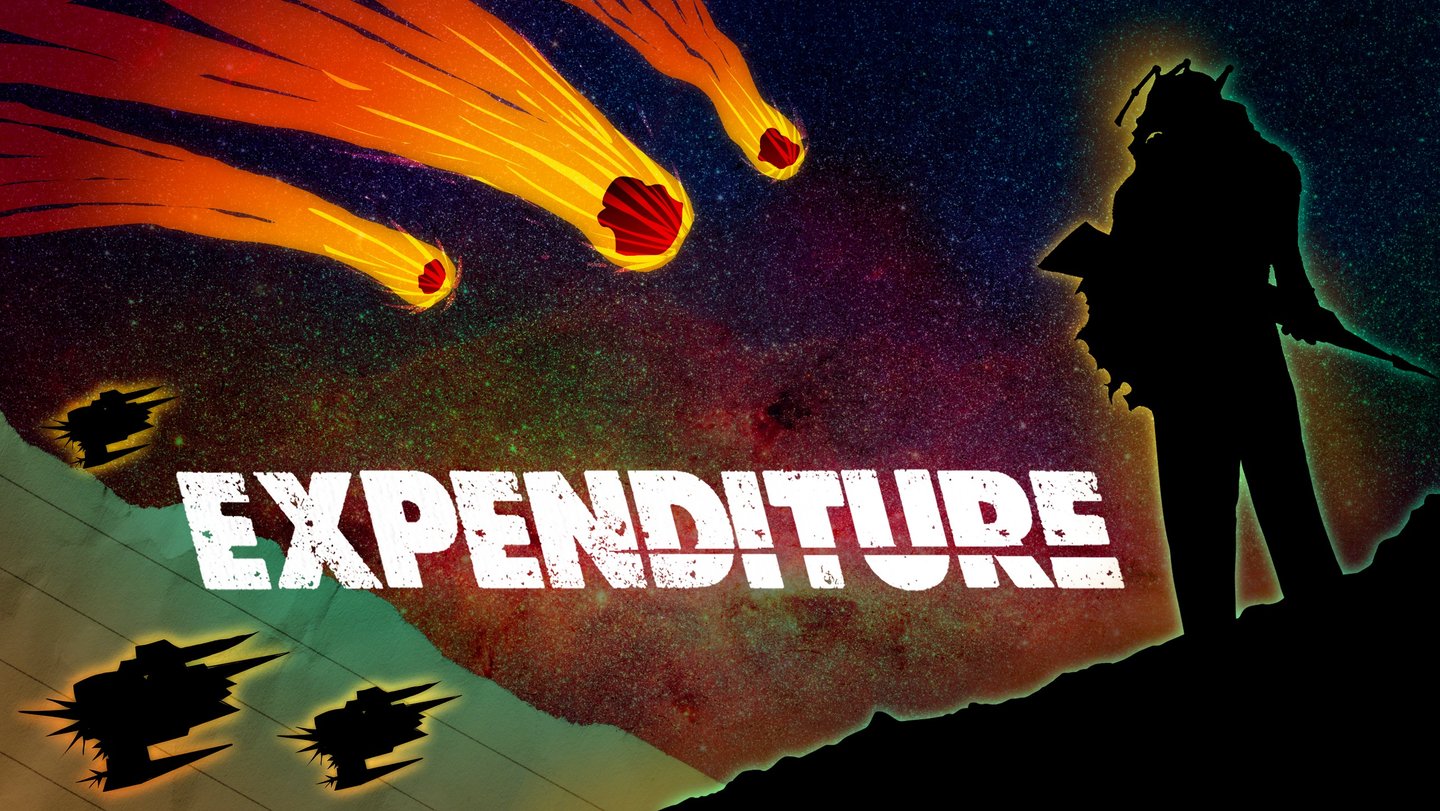
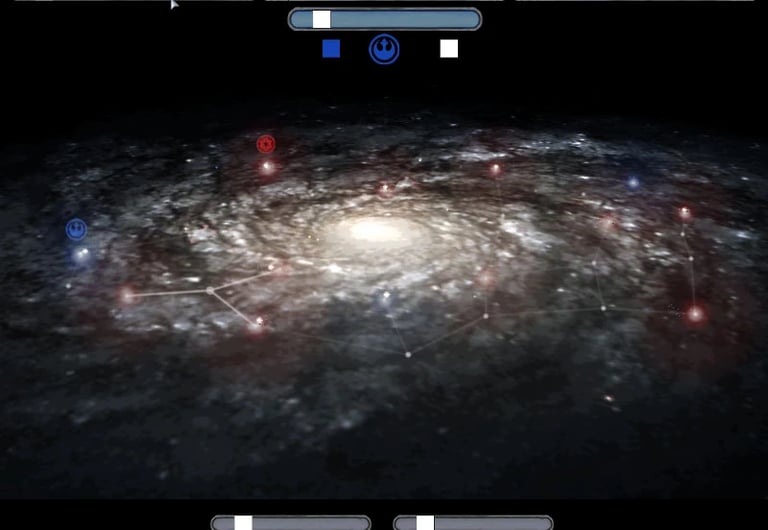
Star Map

Main Title Screen
Trailer Insert
Final Gameplay

